Introduction
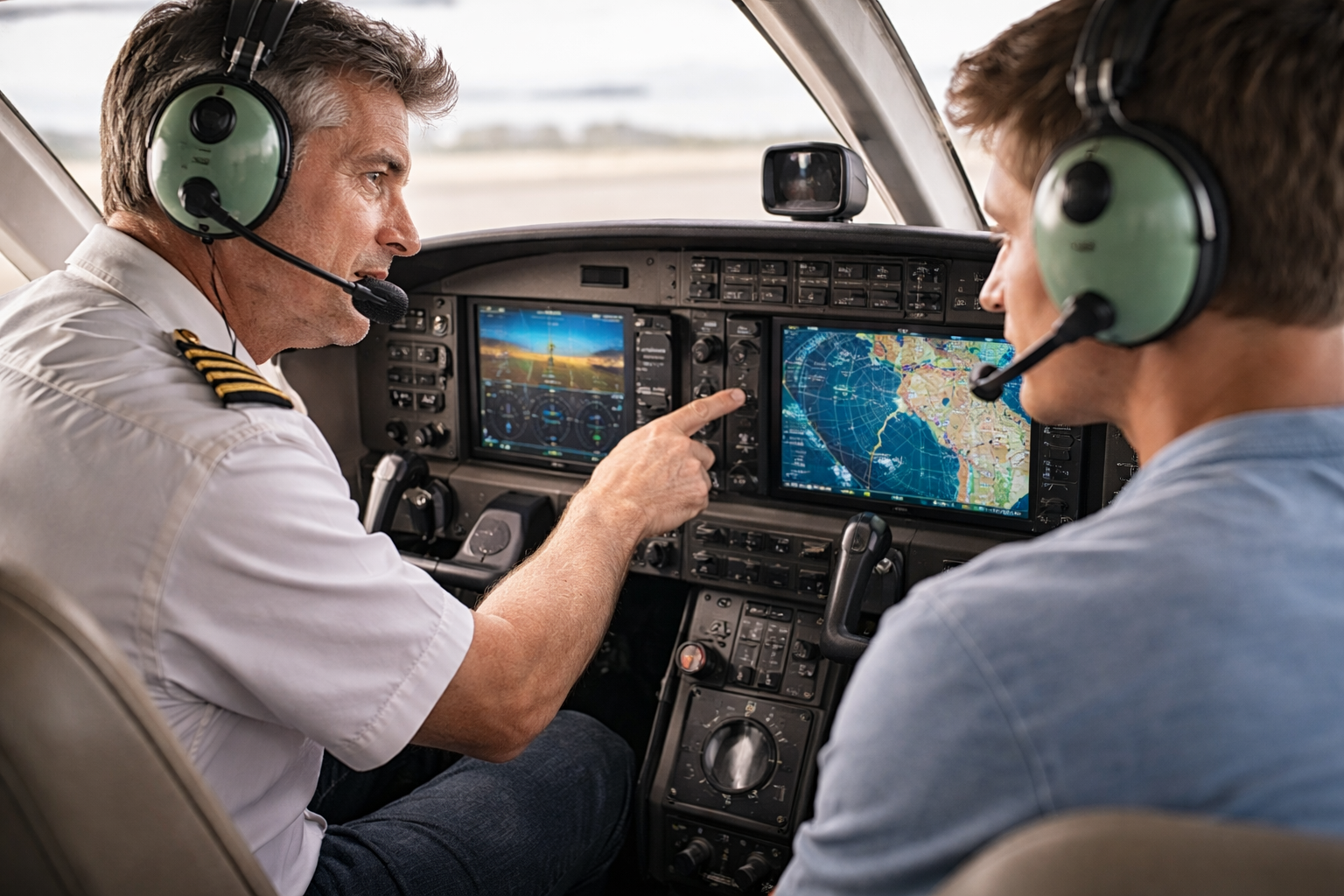
If you are starting your aviation journey, one of the first questions you may ask is who will teach you to fly. The answer is a certified flight instructor (CFI). These are FAA certified pilots trained not only to fly, but also to teach others how to do it safely and confidently.
If you are already a pilot, you may be asking a different question. Should you become a CFI? For many commercial pilots, becoming a certified flight instructor is a practical next step. It helps build flight hours while strengthening real world skills.
In this guide, we explain what a CFI is, what they do day to day, the certified flight instructor requirements, and how this role fits into a long term aviation career.

What is a Certified Flight Instructor (CFI)?
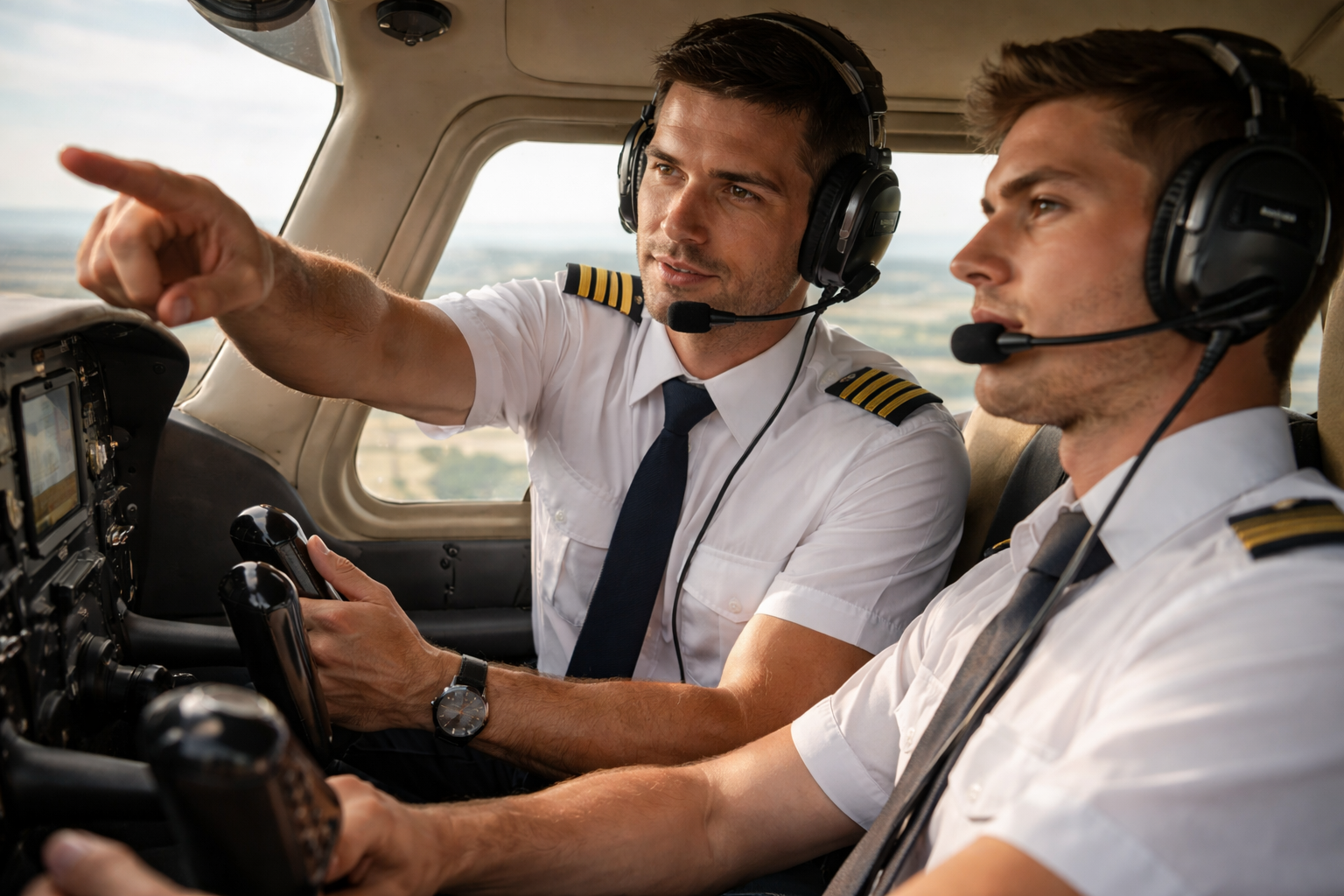
A certified flight instructor (CFI) is a pilot authorized by the FAA to teach others how to fly. This includes both ground instruction and in-flight training, as well as evaluating a student’s readiness to solo or take their checkride.
The role carries a high level of responsibility. CFIs do more than teach procedures. They help students develop judgment, situational awareness, and safe decision-making habits that apply to every flight.
There are several types of instructors, based on their certifications:
- CFI (Single Engine): Teaches primary flight training in single-engine aircraft
- CFII (Instrument Instructor): Teaches instrument flying in low-visibility conditions
- MEI (Multi Engine Instructor): Teaches multi-engine aircraft operations
All instructors must meet FAA standards and pass required testing. Training in a busy environment like Van Nuys gives students added exposure to controlled airspace, frequent traffic, and real-time communication with air traffic control.
What Does a CFI Do?
A certified flight instructor (CFI) works with students at every stage of training, from their first flight through advanced certifications. Their role is to teach both knowledge and practical skills while ensuring each student meets FAA standards.
Ground Instruction
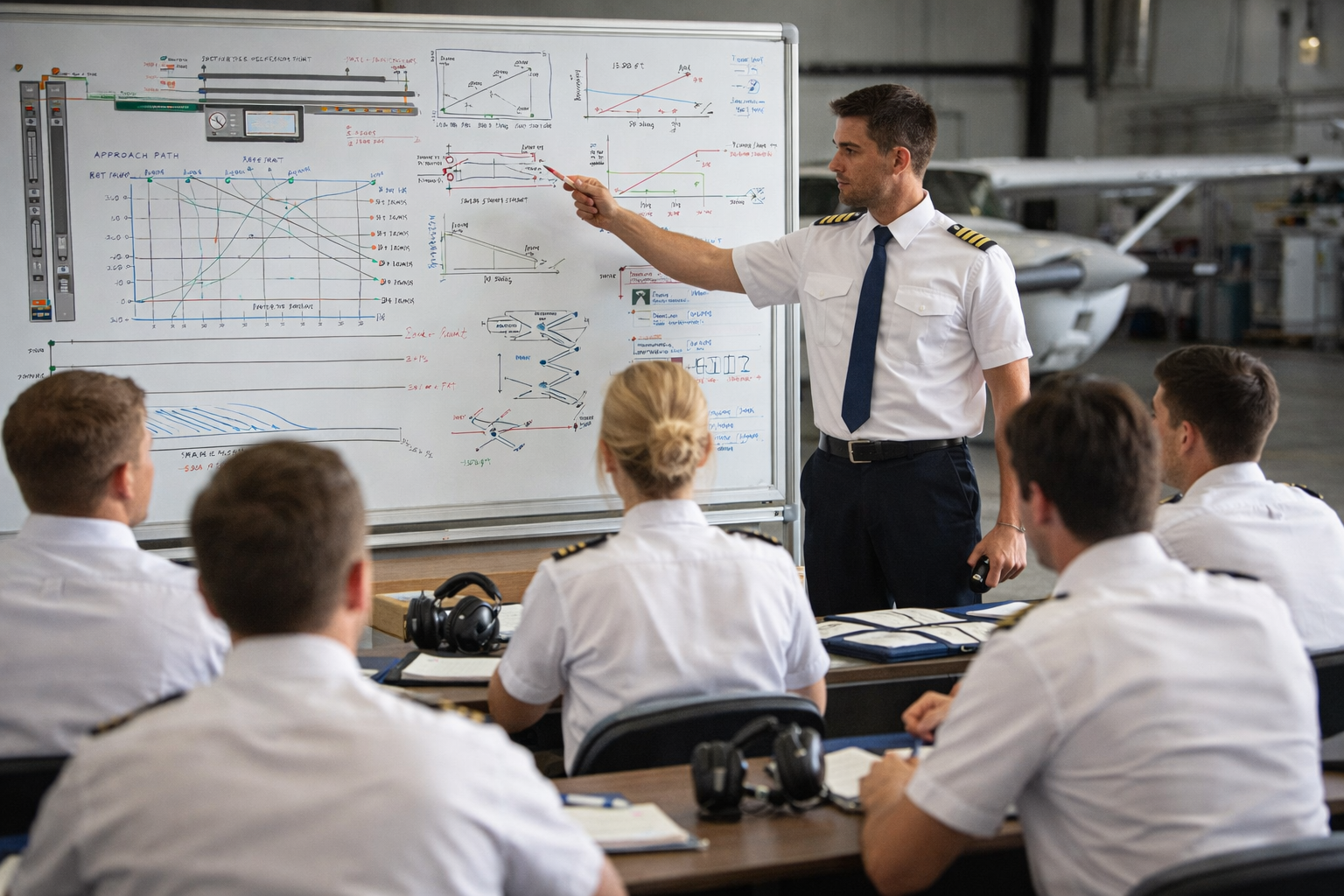
Before entering the aircraft, CFIs teach the core knowledge required for safe flight.
This includes:
- Aerodynamics and aircraft systems
- FAA regulations and airspace structure
- Weather interpretation and flight planning
This stage builds understanding. Students learn how to think and make decisions as pilots, not just follow procedures.
Flight Instruction
In the aircraft, CFIs guide students through each phase of flight.
This includes:
- Basic maneuvers such as climbs, descents, and turns
- Takeoffs and landings
- Emergency procedures and in-flight decision making
Each lesson builds skill and confidence. The goal is to prepare students for solo flight and certification.
Endorsements and Evaluations
CFIs are responsible for confirming that students meet required standards.
This includes:
- Endorsing students for solo flight
- Signing off on written exams and checkrides
- Conducting flight reviews required every 24 months
These steps ensure that students are prepared and meet FAA requirements at each stage.
At a flight school Van Nuys, this process follows a structured training plan that supports steady progress and consistent skill development.
What Makes a Good CFI?
A good certified flight instructor (CFI) teaches clearly, adapts to the student, and maintains a strong focus on safety.
Beyond technical skill, effective instructors know how to teach. They adjust to different learning styles, explain complex ideas in simple terms, and stay calm under pressure. They help students build confidence while following proper procedures.
As we often say:
“A good Certified Flight Instructor isn’t just someone who can fly well—they’re someone who can transfer judgment, discipline, and confidence to another human being sitting next to them. Big difference.”
Those qualities matter even more in active training environments like Van Nuys, where communication and awareness are part of every lesson.
Why Become a Certified Flight Instructor?
For many pilots, becoming a certified flight instructor (CFI) is a natural next step after earning a commercial license.
Build Flight Hours Toward the Airlines
Most airline careers require an Airline Transport Pilot (ATP) certificate, which requires 1,500 total flight hours. Working as a CFI allows you to build these hours consistently while staying active in the cockpit.
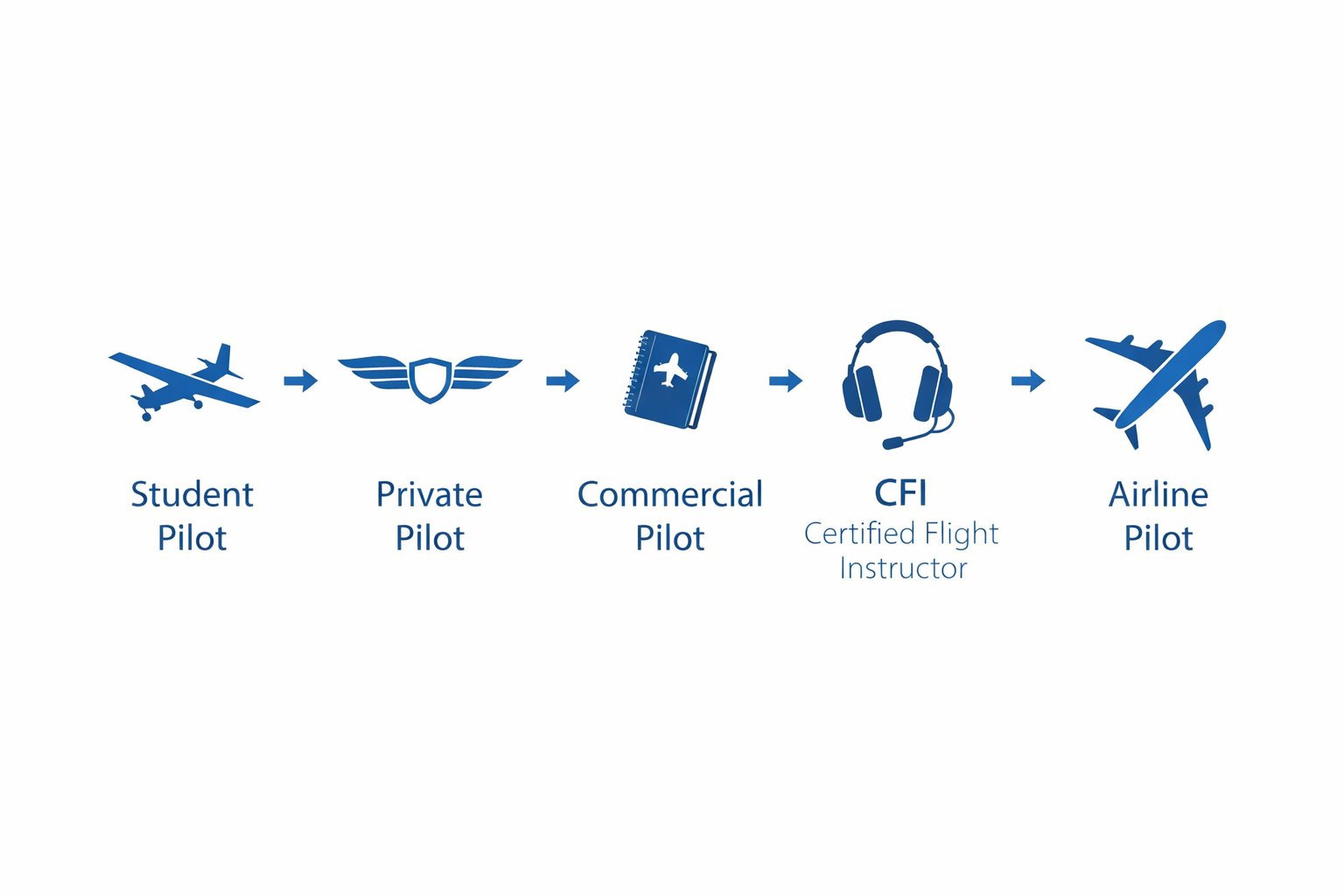
A common training path includes:
- Student pilot
- Private pilot
- Commercial pilot
- Certified flight instructor
- Airline pilot
Get Paid to Fly
CFIs earn income while building flight hours. This allows you to gain experience without paying for additional flight time.
Entry level instructors typically earn $30,000 to $50,000 per year, depending on schedule, location, and student demand.
Develop Stronger Skills
Teaching improves your own flying ability. CFIs become more precise, more aware, and more confident because they explain and demonstrate concepts regularly. This strengthens knowledge and improves decision making.
Certified Flight Instructor Requirements
Becoming a certified flight instructor (CFI) requires meeting FAA standards and completing a structured training process.
Basic Qualifications
To begin CFI training, you must:
- Hold a commercial pilot certificate
- Have at least 250 total flight hours, which is the typical baseline for commercial pilots
These are the core certified flight instructor requirements before moving into instructor-specific training.
Required Exams
You must pass two FAA knowledge tests:
- FOI (Fundamentals of Instruction): Covers how people learn, teaching methods, and student evaluation
- CFI Knowledge Test: Covers advanced aviation topics and instructional procedures
These exams ensure you understand both flying concepts and how to teach them effectively.
FAA Checkride
The final step is the CFI checkride with an FAA examiner.
It includes:
- An oral exam focused on teaching and aviation knowledge
- A flight test where you demonstrate both flying skills and instructional ability
You are evaluated not only on how you fly, but on how well you teach.
Timelines vary based on training frequency and availability. Most students complete CFI training in a structured program that emphasizes safety, consistency, and clear instruction.
CFI Career Path: From Instructor to Airline Pilot
Becoming a certified flight instructor (CFI) is often the bridge between training and a professional flying career.
Building Hours Consistently
In high demand areas like pilot training Los Angeles, instructors often fly regularly. This helps them build flight hours more consistently than in lower volume regions.
Southern California’s stable weather also supports steady training. Fewer cancellations allow for more consistent scheduling and faster progress toward required flight hours.
Salary and Growth
Starting pay for CFIs typically ranges from $30,000 to $50,000 per year, depending on schedule, location, and student demand.
Additional certifications such as CFII or MEI can expand opportunities and increase earning potential. The experience gained as a CFI directly supports the transition to airline or professional flying roles.
Career Advancement
After reaching required flight hours, many CFIs move into:
- Regional airline positions
- Corporate aviation roles
- Charter flying opportunities
Where you train and instruct plays a role in your progression. Consistent flying, structured training, and real world experience help you move forward with confidence.
Training to Become a CFI at The Flight Academy
At The Flight Academy, certified flight instructor (CFI) training is built on safety, structure, and real world experience.
Students in a pilot training Los Angeles environment follow a program aligned with FAA standards and supported by in person instruction. Each phase prepares you to meet certified flight instructor requirements and develop the ability to teach clearly and effectively.
Training takes place at Van Nuys Airport, one of the busiest general aviation airports. This environment provides daily exposure to:
- Controlled airspace operations
- Communication with air traffic control
- High traffic flight conditions
Combined with Southern California’s consistent weather, this allows for regular training and steady progress.
Why Students Choose The Flight Academy
One of the key advantages at The Flight Academy is the clear path from student to instructor.
We exclusively hire our own graduates as instructors, creating a direct transition into a certified flight instructor role after completing your training. This helps pilots continue building hours toward the 1,500 hour requirement for the Airline Transport Pilot certificate while staying in a familiar environment.
It also creates consistency. Every instructor has trained within the same system, under the same standards, and understands how to guide new students through FAA aligned training.
For those looking to learn to fly Los Angeles and continue into a professional track, that continuity can make the process feel more structured and less uncertain.
Learn from CFIs Who Trained Here
At The Flight Academy, every certified flight instructor has completed training within the same program and environment at Van Nuys Airport, one of the busiest general aviation airports in the United States.
That shared experience leads to a consistent teaching approach focused on safety, clear communication, and practical decision making. Students benefit from instructors who understand the full training path, from first flight through certification under FAA standards.
Instructor profiles and backgrounds will be added here to provide more insight into individual experience and training journeys.
Frequently Asked Questions
Does TFA hire its own graduates as instructors?
Yes. The Flight Academy exclusively hires its own graduates as certified flight instructors. This creates a clear path from student to instructor and helps pilots build flight hours toward the 1,500 hour requirement for the Airline Transport Pilot certificate while staying in a familiar training environment.
What makes a good CFI in your opinion?
A strong certified flight instructor knows how to teach, not just fly. They help students build judgment, discipline, and confidence, especially in active airspace like Van Nuys Airport, where clear thinking and communication matter on every flight.
Any info about your instructors’ backgrounds we can include?
All instructors at The Flight Academy are trained in house and have progressed through the same program, from private pilot to commercial pilot and into CFI. Most begin instructing around the 250 hour level, after meeting FAA requirements for commercial pilots, and continue building experience toward airline careers. Individual instructor profiles will be added to provide more detail.
Conclusion
A certified flight instructor plays a central role in aviation by guiding new pilots and helping experienced pilots take the next step in their training and careers.
Whether you are learning what a CFI does or considering becoming one yourself, understanding the process makes the path forward clearer. Training in a structured environment like Van Nuys Airport provides the opportunity to build skill, communication, and confidence from the start.
If you are exploring your options, a discovery flight Los Angeles or a conversation with an instructor is a practical way to begin.
Disclaimer
This content is provided for informational and educational purposes only and does not constitute flight instruction, operational approval, or regulatory guidance. All flight training is conducted in accordance with FAA regulations and must be completed with a certified flight instructor. Individual training requirements, costs, and timelines may vary.