Tailwheel Endorsement Training in Van Nuys, CA
Tailwheel Training in Our Classic 1940 Piper J3 Cub
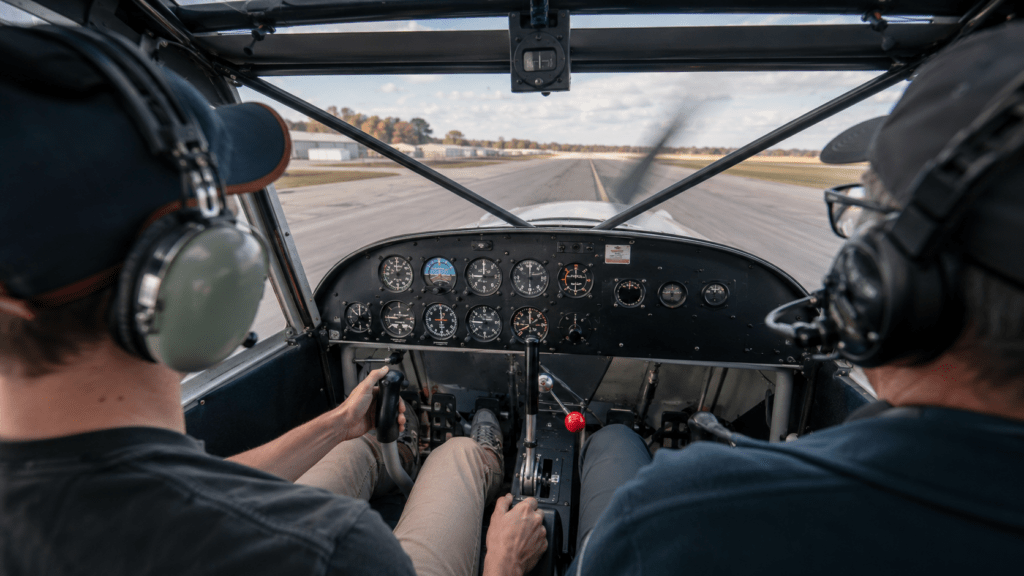
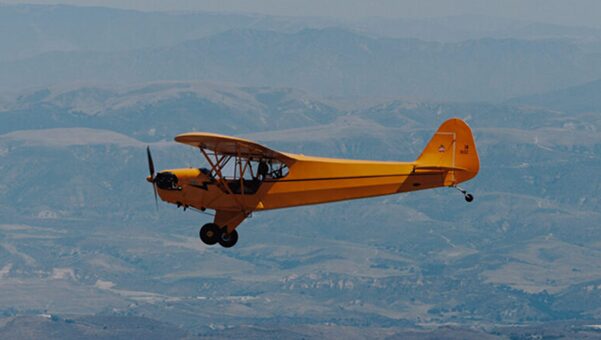
Step back in time and experience the golden age of aviation while earning your tailwheel endorsement at our Van Nuys flight school in a meticulously restored 1940 Piper J3 Cub. This classic aircraft, brought back to life in-house by our skilled team, provides a hands-on platform for developing tailwheel flying skills.
Whether you’re based in the Los Angeles area or traveling to Van Nuys for training, our tailwheel training focuses on ground handling, takeoffs and landings, stick-and-rudder skills, and tailwheel dynamics.
Why Tailwheel Training?
Tailwheel training is more than just an endorsement; it’s an opportunity to develop precision flying skills, improve your stick-and-rudder techniques, and truly connect with the fundamentals of flight. Tailwheel aircraft are known for their agility and challenge, making them an excellent tool for pilots looking to enhance their abilities.
Tailwheel training also develops practical skills in ground handling, takeoffs and landings, crosswind operations, and directional control. These skills help pilots build greater precision and confidence while learning to manage the unique characteristics of a tailwheel aircraft.
The Piper J3 Cub: A Living Legend
Our Piper J3 Cub is a piece of aviation history. Painstakingly restored in-house, this iconic taildragger combines simplicity, elegance, and nostalgia. Its lightweight design, responsive controls, and tandem seating make it the ideal aircraft for learning tailwheel techniques.
The Cub is one aircraft in our our fleet, each maintained and flown with the same safety-first standard.
Key features of our J3 Cub:

Authentic 1940s craftsmanship, beautifully restored.
A lightweight, forgiving airframe that rewards smooth, precise inputs.
Open cockpit feel for an immersive flying experience.
A true stick-and-rudder aircraft that hones fundamental flying skills.
What You’ll Learn
Tailwheel training in the J3 Cub will sharpen your skills and give you the confidence to handle a variety of aircraft. Our comprehensive program includes:
- Ground Handling: Master techniques for taxiing and maneuvering on the ground, including tailwheel-specific considerations.
- Takeoffs and Landings: Learn techniques for wheel landings, three-point landings, and crosswind operations.
- Stick-and-Rudder Skills: Build proficiency in controlling the aircraft with precision and finesse.
- Understanding Tailwheel Dynamics: Gain insights into tailwheel center of gravity, directional control, and the challenges of ground loops.
- Short-Field and Grass-Strip Operations: Learn to operate on non-paved surfaces, a skill that opens up a world of adventure flying.
How the training sequence works.
Training begins with ground handling and taxiing before progressing to takeoffs and landings. Pilots practice three-point and wheel landings, crosswind operations, and other tailwheel-specific skills as proficiency develops. Short-field and grass-strip operations can be incorporated based on the pilot’s training goals and proficiency. The training sequence is adjusted to the pilot’s individual needs rather than following a fixed number of sessions.
How many hours does it take
The FAA does not set a fixed number of flight hours for a tailwheel endorsement. Most pilots complete their tailwheel training in roughly 5 to 10 hours of flight time, although the time required varies based on prior experience, proficiency, currency, and individual training needs. Your instructor will determine when you have demonstrated the proficiency required for the tailwheel endorsement.
What does the FAA require?
Under 14 CFR 61.31(i), a pilot must receive and log flight training from an authorized instructor in a tailwheel airplane and receive a logbook endorsement after demonstrating proficiency in operating a tailwheel airplane. The required training includes normal and crosswind takeoffs and landings, wheel landings unless the manufacturer recommends against them, and go-around procedures.
What is a ground loop, and why does tailwheel training address it?
A ground loop is an unintended turn of a tailwheel aircraft during ground operations. Tailwheel training addresses directional control, rudder coordination, and ground handling to help pilots manage the aircraft during taxiing, takeoffs, and landings.
Why Train in Our J3 Cub?
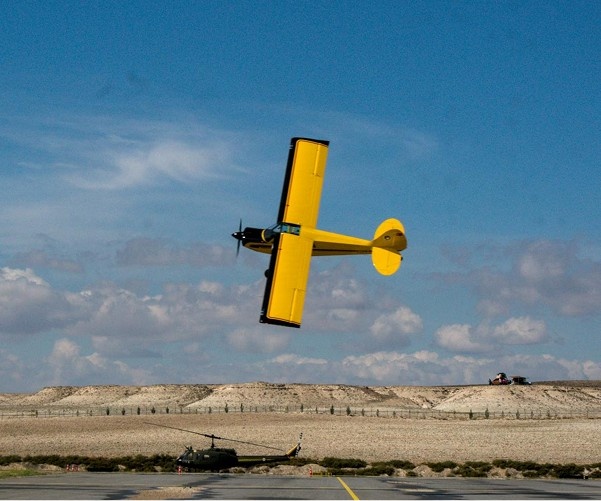
Training in the Piper J3 Cub is an experience like no other. It’s more than just earning a Tailwheel Endorsement—it’s connecting with the heart and soul of aviation.

A Piece of History
Fly a beautifully restored aircraft that represents the roots of aviation.

Enhanced Skills
Tailwheel training improves all aspects of your flying, making you a better pilot overall.

Expert Instruction
Our instructors are experienced in tailwheel operations and passionate about passing on their knowledge.

Pure Flying Joy
With no modern distractions, the J3 Cub lets you focus on the joy of flying.
Who Should Enroll?
Tailwheel training is perfect for any pilot—from newly minted private pilots to seasoned aviators—who wants to add this rewarding skill to their repertoire. If you’re looking to expand your capabilities, pursue bush flying, or simply enjoy a back-to-basics flying experience, this is the course for you.
Our tailwheel endorsement course welcomes pilots with different experience levels and goals. Common reasons for pursuing tailwheel training include:
- High-Performance Skills: Tailwheel training can help pilots develop skills relevant to operations on short or unimproved airstrips. Our training includes short-field and grass-strip operations in the Piper J3 Cub.
- Taildragger owners: Some insurance providers may have specific training, checkout, or experience requirements for pilots operating tailwheel aircraft. If you need to meet an insurer's requirements, discuss the specific requirements with your insurance provider and our instructors before training.
- Pilots interested in classic aircraft: Tailwheel training can prepare pilots to operate tailwheel aircraft, including classic and vintage airplanes. Our restored 1940 Piper J3 Cub provides hands-on experience with tailwheel operations.
- Pilots who want to strengthen their stick-and-rudder skills: Tailwheel training focuses on ground handling, directional control, takeoffs and landings, crosswind operations, and other skills that require precise aircraft control.
If you’re also considering a complex and high performance endorsement as part of your aviation training, our instructors can help you determine how that training fits with your goals.
Take the Controls of a Classic
Rediscover the thrill of flying with our Tailwheel Training program in the 1940 Piper J3 Cub. This is your chance to master a taildragger and make aviation history a part of your story.
Contact us today to schedule your training and experience the magic of flying a true aviation icon!
FREQUENTLY ASKED QUESTIONS
How hard is it to get a tailwheel endorsement?
Tailwheel flying requires more precise directional control than a tricycle-gear airplane. Ground handling, taxiing, and landing rollout can be challenging because tailwheel aircraft require careful rudder control. The 1940 Piper J3 Cub is a lightweight, forgiving airframe that provides a practical setting for developing these skills with an instructor.
Is a tailwheel endorsement worth it?
A tailwheel endorsement can help pilots develop stick-and-rudder skills through ground handling, takeoffs and landings, crosswind operations, and directional control. It can also provide experience relevant to short-field and grass-strip operations and classic aircraft. Taildragger owners should check with their insurance provider about any training or experience requirements for their specific aircraft and policy.
Who can give a tailwheel endorsement?
Under 14 CFR 61.31(i), tailwheel flight training must be received and logged from an authorized instructor, followed by a logbook endorsement after the instructor determines that the pilot is proficient in operating a tailwheel airplane. The Flight Academy provides tailwheel instruction in its restored 1940 Piper J3 Cub.
Is tailwheel a rating or an endorsement?
A tailwheel qualification is an endorsement, not a separate pilot rating. Under 14 CFR 61.31(i), the pilot receives and logs the required flight training and receives a logbook endorsement after demonstrating proficiency in operating a tailwheel airplane.
How much does a tailwheel endorsement cost?
Tailwheel endorsement cost depends on the amount of flight and instruction time needed to reach proficiency. Training time varies based on the pilot’s prior experience, currency, proficiency, and individual training needs. Contact The Flight Academy for current rates and to discuss your tailwheel training needs.
How many hours does it take?
The FAA does not set a fixed number of flight hours for a tailwheel endorsement. Most pilots complete their tailwheel training in approximately 5 to 10 hours of flight time, although the time required varies based on prior experience, currency, proficiency, and individual training needs. Your instructor will determine when you have demonstrated the proficiency required for the endorsement.
Do I need a private pilot license first?
A private pilot certificate is not identified as a prerequisite under 14 CFR 61.31(i) for a tailwheel endorsement. The FAA requirement focuses on receiving and logging the required tailwheel flight training from an authorized instructor and receiving the required logbook endorsement after demonstrating proficiency. If you’re pursuing your private pilot license, our instructors can help you determine how tailwheel training fits into your training path.
Where do you train from?
The Flight Academy conducts tailwheel training at Van Nuys Airport in Van Nuys, California, using its restored 1940 Piper J3 Cub. The flight school serves pilots in the San Fernando Valley and greater Los Angeles area. If you’re looking for tailwheel instruction near you, contact The Flight Academy to discuss training availability at the Van Nuys location.
Get Flying TODAY
Why wait, contact us today and get your training AIRBORNE!
This content is provided for informational and educational purposes only and does not constitute flight instruction, operational approval, or regulatory guidance. All flight training is conducted in accordance with FAA regulations and must be completed with a certified flight instructor. Individual training requirements, costs, and timelines may vary.
Keep Exploring
Ratings & Endorsements
Blogs
Our Newest Posts
Spin Awareness and Upset Recovery Training: What It Involves and Who Needs It
High-Performance and Complex Endorsements: Requirements, Training, and Cost